 Stack Review
Flipper One vs Flipper Zero: what the $14.5M gadget does
The Flipper One is a pocket-sized Linux computer that works as a desktop or a 5G hotspot. It raised $13 million on Kickstarter in a day, and it is not a Flipper Zero 2.
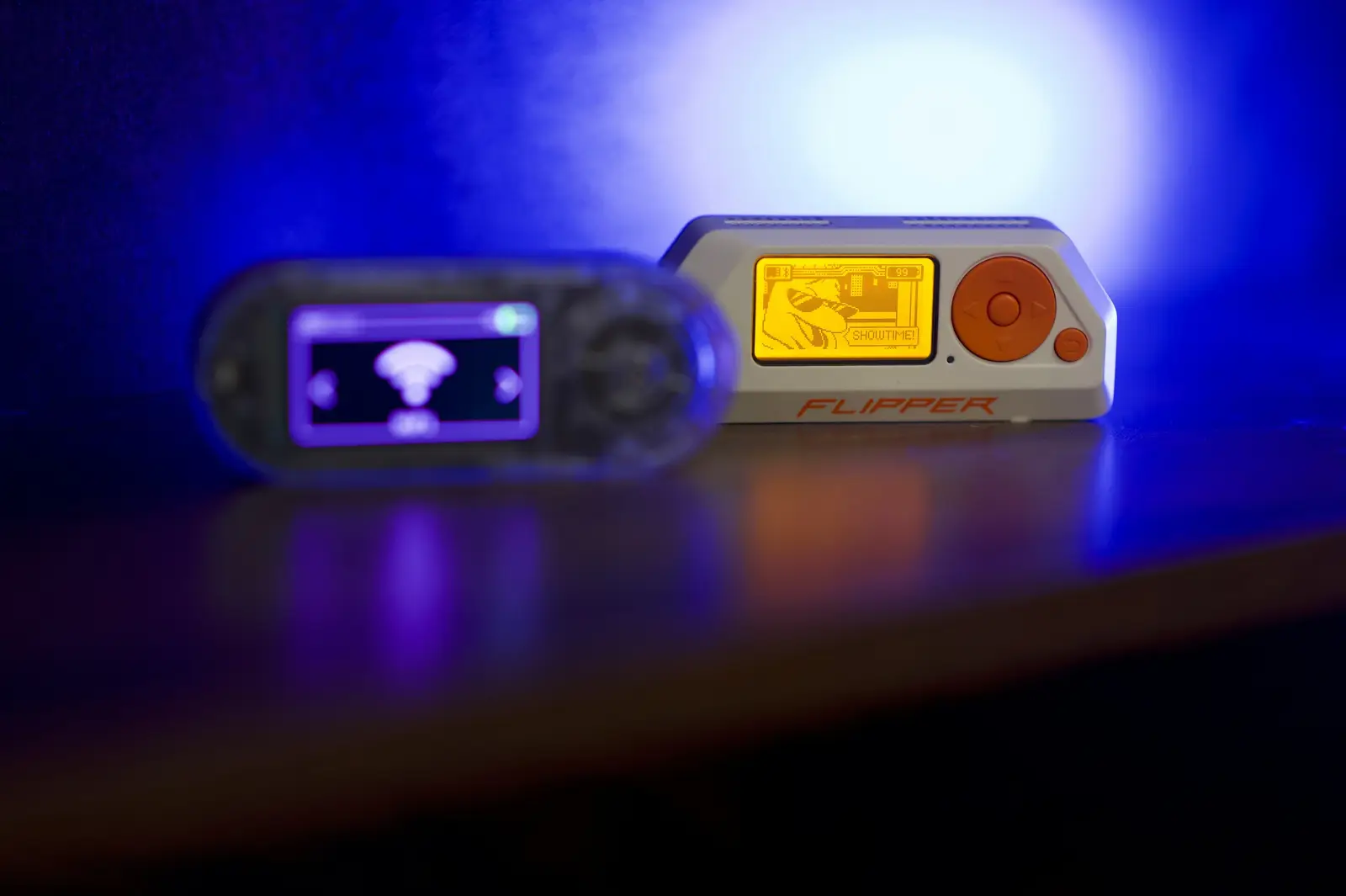
The Flipper One is a pocket-sized Linux computer from Flipper, the company behind the Flipper Zero. It runs ordinary software, connects over Wi-Fi and 5G, and can work as a small desktop machine or a 5G hotspot. Its Kickstarter took $13 million in the first day and had passed $14.5 million when the first reports went out.
What the Flipper One actually does
Flipper's pitch is a small computer with two modes. In desktop mode it drives a monitor, keyboard and mouse like any other Linux machine, which covers browsing, a terminal, writing and code editing. In hotspot mode it shares a 5G connection with whatever else you're carrying.
The case is close in size to the Zero's, meaning it fits in a pocket. A screen and keyboard that small are for quick jobs. A full day of work needs an external display, and by then you're carrying a bag anyway. The advantage over a phone is that it runs desktop Linux, so the software you already use on a laptop shows up in the same form here rather than as a stripped-down mobile app.
How it differs from the Flipper Zero
The Zero launched in 2020 and is still on sale. It works with Bluetooth, RFID, NFC and the low-level signals behind key cards, fobs, TV remotes and electronic access points. That mix produced years of alarming headlines about doors and cars being opened, though the reality is narrower: the Zero can't get into systems that are properly protected, and most people who buy one are hobbyists who like taking electronics apart, some of them testing the security of their own gear.
The One trades that list for Wi-Fi and 5G. Flipper calls the two devices "completely different projects built for different tasks," which is a polite way of saying the One is not the Zero 2 that a lot of people are waiting for. If you wanted a gadget that reads a key card, it won't do that, and the Zero is still available.
What $14.5 million on Kickstarter tells you
It tells you the audience exists. Flipper built a following with the Zero, and that following turned up with money on day one. $13 million in 24 hours and past $14.5 million soon after is not a niche response to a niche device.
It doesn't tell you the One is any good. Backers aren't customers. They've paid early for hardware that hasn't shipped, and the record of crowdfunded gadgets is full of slipped dates and features that quietly shrink between campaign and delivery. The number I'd watch is the retail price after the campaign closes, plus the cost of a data plan if you intend to use the 5G mode.
What it replaces, and what it doesn't
Three things get compared to it: a phone hotspot, a portable mobile router, and a small laptop. The phone already does the hotspot job and you're carrying it regardless. A mobile router does one job with fewer moving parts. A cheap laptop does the desktop job with a bigger screen and a real keyboard. The One's argument is that it covers two of those jobs in one pocket-sized device, and that only pays off if you'd otherwise carry both.
The security question
The Zero earned its reputation on badly protected things: a key card read, a signal replayed, a fob cloned. Offices noticed. The One moves to Wi-Fi and 5G, the networks a business actually depends on, so the same question gets asked again with more reason behind it. What the One can and can't do on those networks isn't spelled out in the launch material I looked at, and that's the detail to check when independent reviews land.
Reasons to buy and reasons to skip
The One is for people who already enjoy this category of hardware. If you've been wanting a Linux machine small enough to carry, or one device that covers a hotspot and a spare computer, it's the most interesting thing announced this year. If you want a tool that runs a business, it isn't one.
Pros
- Runs desktop Linux, so the software you know works in the same form
- One device covers a portable 5G hotspot and a small computer
- Wi-Fi and 5G are more useful day to day than the Zero's radio protocols
Cons
- No retail price or ship date came with the launch
- You're backing a campaign, not buying something you can return
- Nothing it does beats a laptop for invoicing, email or your website
- If you want the Zero's key card and RFID work, this isn't that device
What to check before you back it
Four things decide whether the One is useful to you, and none of them are in the campaign video.
- The 5G bands the modem covers. A hotspot that misses your carrier's bands is dead weight.
- The retail price after the campaign. Pledges usually sit below what the device costs once it's on a shelf.
- Flipper's delivery record. The Zero shipped and has stayed on sale since 2020, which is a better sign than most campaigns can offer.
- Driver support for the Linux build. A pocket computer is only as useful as the hardware the community can get working.
Common questions about the Flipper One
- What is the Flipper One?
- A pocket-sized Linux computer made by Flipper. It runs as a small desktop machine or as a 5G hotspot, and it connects over Wi-Fi. Flipper describes it as a separate product from the Flipper Zero.
- Is the Flipper One a successor to the Flipper Zero?
- No. Flipper calls them completely different projects built for different tasks. The Zero works with RFID, NFC and Bluetooth. The One works with Wi-Fi and 5G. The Zero is still on sale if that's the device you want.
- How much does the Flipper One cost?
- No retail price was announced at launch. Kickstarter pledges set the early price, and the retail price after the campaign is the figure that matters. Add a monthly data plan on top if you want the 5G hotspot to work.
- When does the Flipper One ship?
- Flipper didn't publish a ship date in the launch coverage. Treat any date on a campaign page as a target rather than a commitment, and keep your money flexible until units are in backers' hands.
- Can the Flipper One do the security testing the Zero is known for?
- Not the same work. The Zero's tools interact with key cards, fobs and remotes through RFID, NFC and Bluetooth. The One is built around Wi-Fi and 5G, so buy it for those, not for the Zero's toolkit.
- Do I need a data plan to use the 5G hotspot?
- Yes. Hotspot mode needs cellular service from a carrier, so budget a monthly line on top of the purchase price. That running cost is the part crowdfunding pages tend to leave out.
For a small business, the Flipper One is a gadget rather than a tool: nothing on it earns or saves money this quarter. Watch the retail price when the campaign ends, and decide then.
Sources